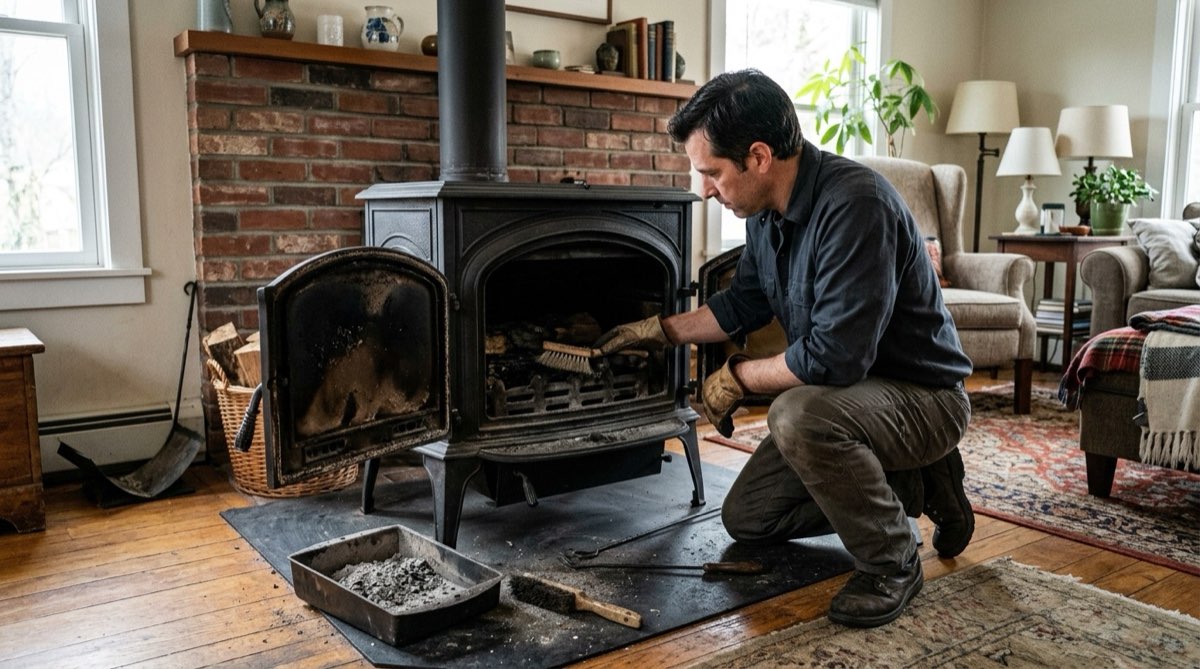
Wood stoves work harder than open fireplaces — daily burns, controlled air, and a connector pipe that collects creosote faster than the chimney itself. Cleaning one properly usually means pulling the stove or insert forward, brushing the connector and flue separately, and checking gaskets and firebrick while everything is open.
Reasons to schedule this service
This service may be the right fit when one of these situations sounds familiar:
- the stove drafts slowly
- wood smoke spills into the room
- the stove runs through winter
What matters for Tulsa properties
Plenty of Tulsa-area stoves run daily from November through February, which can mean a cord or more of oak through one firebox. At that volume, the connector pipe deserves a monthly flashlight check and the system may need a mid-season cleaning, not just the annual one.
What affects the estimate
- stove model
- connector pipe layout
- burn habits
- chimney height
- clearances
How the work usually goes
Stove service has its own sequence:
- Appliance And Access Review: Review the fireplace, stove, dryer vent, last service date, smoke, odor, water, or creosote concern.
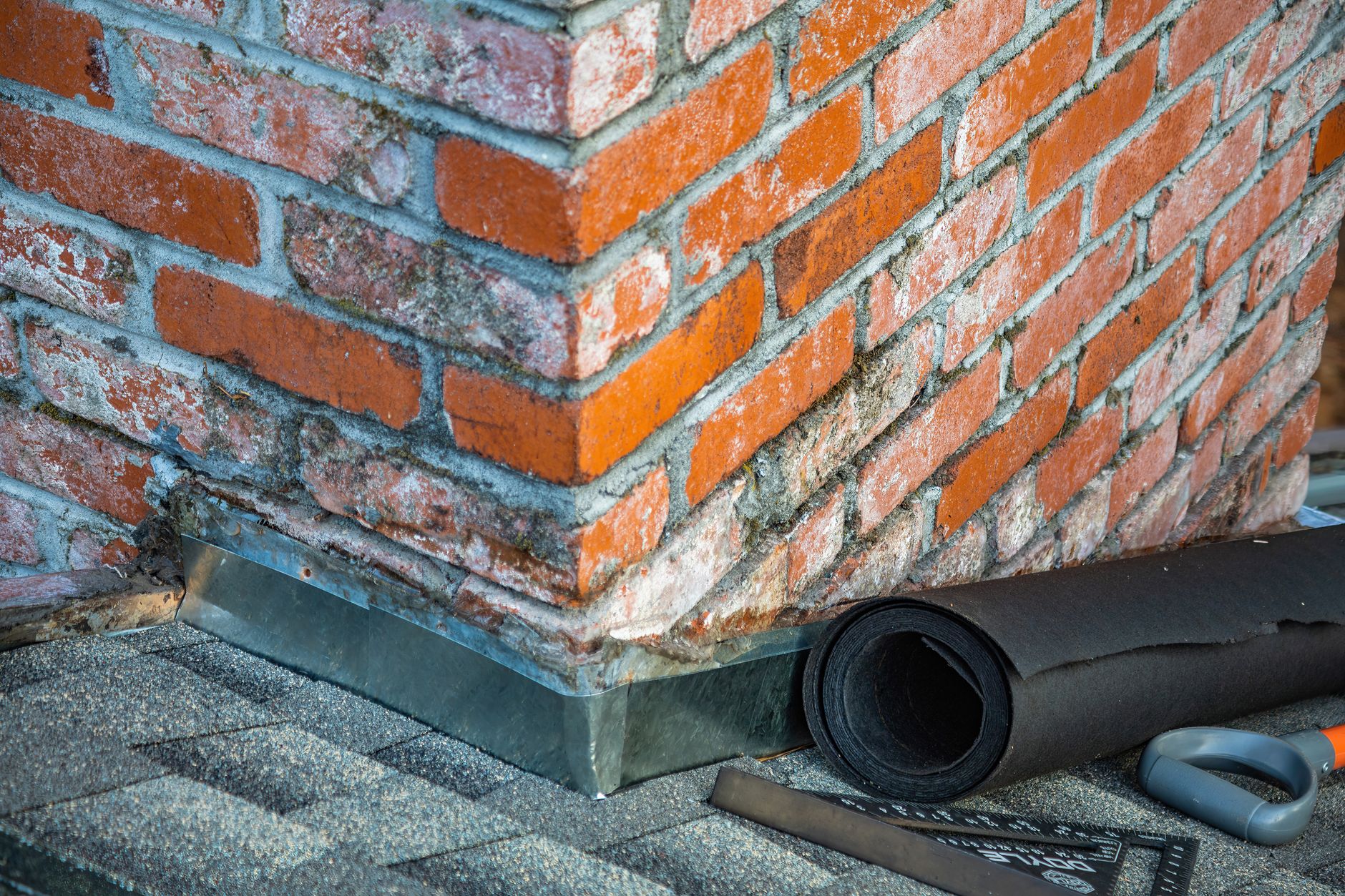
- Flue And Exterior Inspection: Check the flue, firebox, cap, crown, flashing, roof access, and exterior chimney conditions.
- Cleaning Or Repair Plan: Decide whether the visit is cleaning, inspection, draft troubleshooting, vent cleaning, or repair planning.
- Sweep Repair Or Vent Work: Complete the sweep, fireplace cleaning, stove work, cap, flashing, or dryer vent service that fits the issue.
- Draft Leak And Safety Review: Review draft, cleanup, visible concerns, safer-use notes, and what to watch before the next burn.