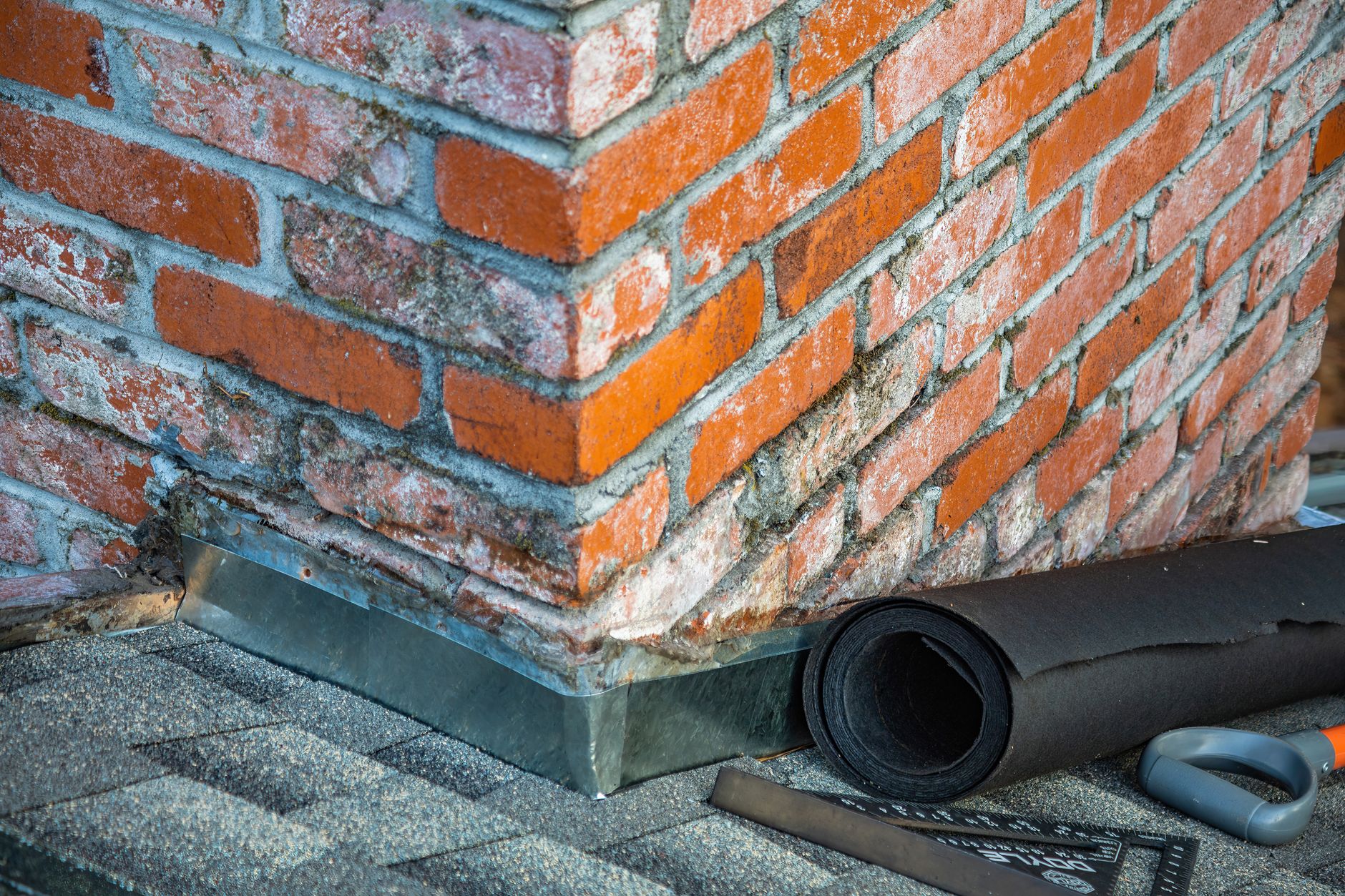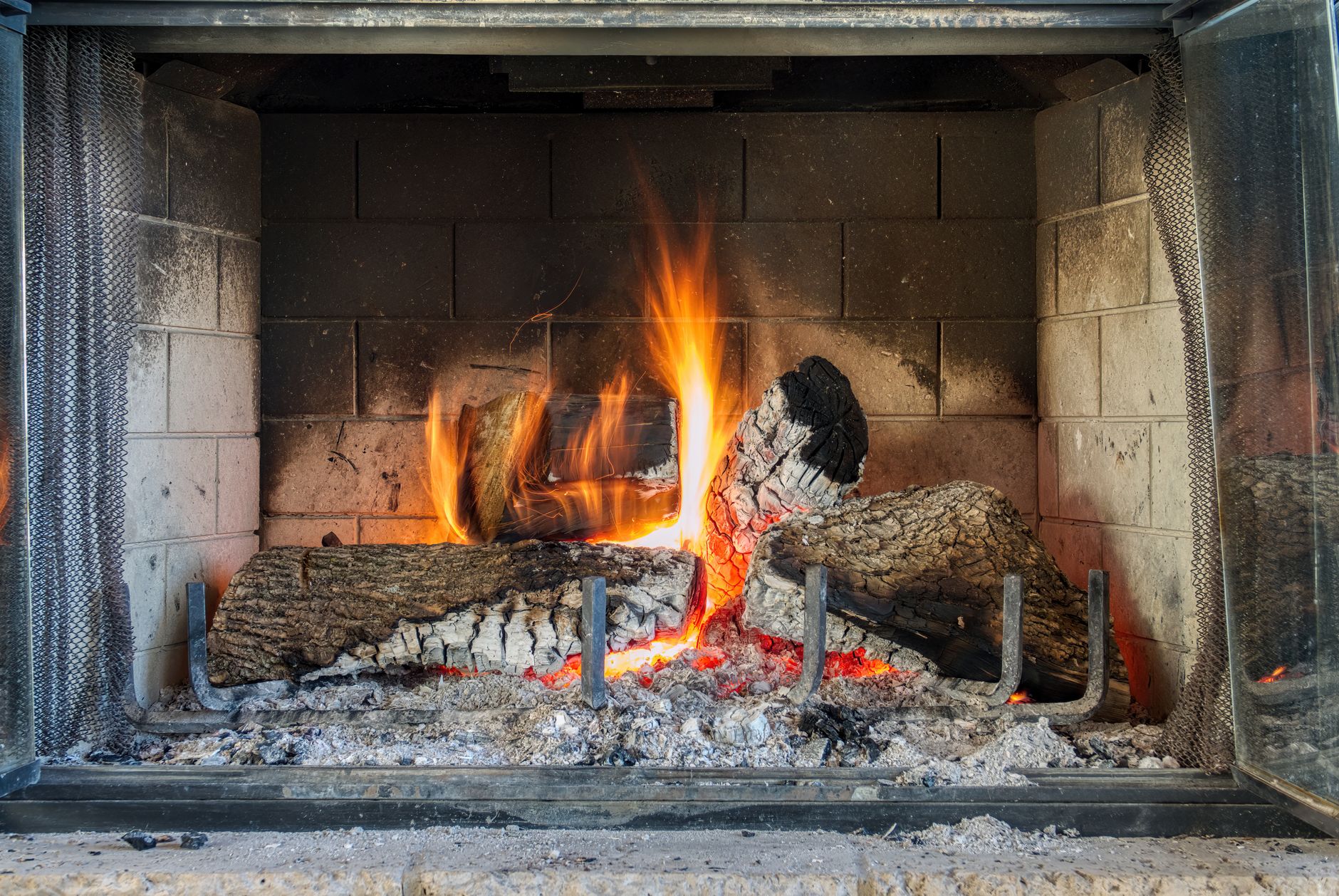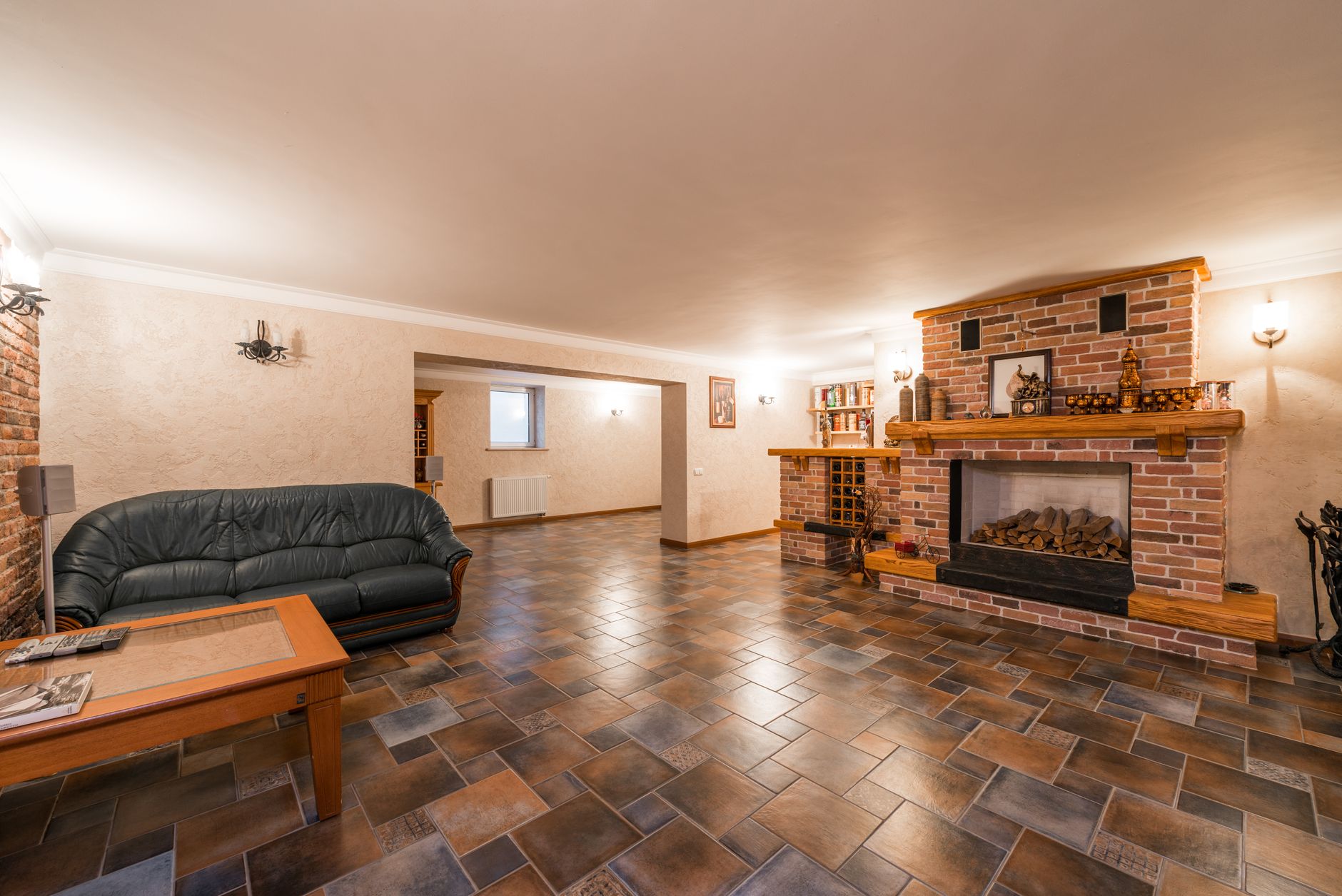
If the fireplace smells smoky, the last sweep was more than a year ago, or you can see soot when you look up past the damper, a cleaning is the place to start. A proper sweep is not complicated: drop cloths taped down, a HEPA vacuum running the whole time, and the flue brushed until the camera or mirror shows clean tile.
Reasons to schedule this service
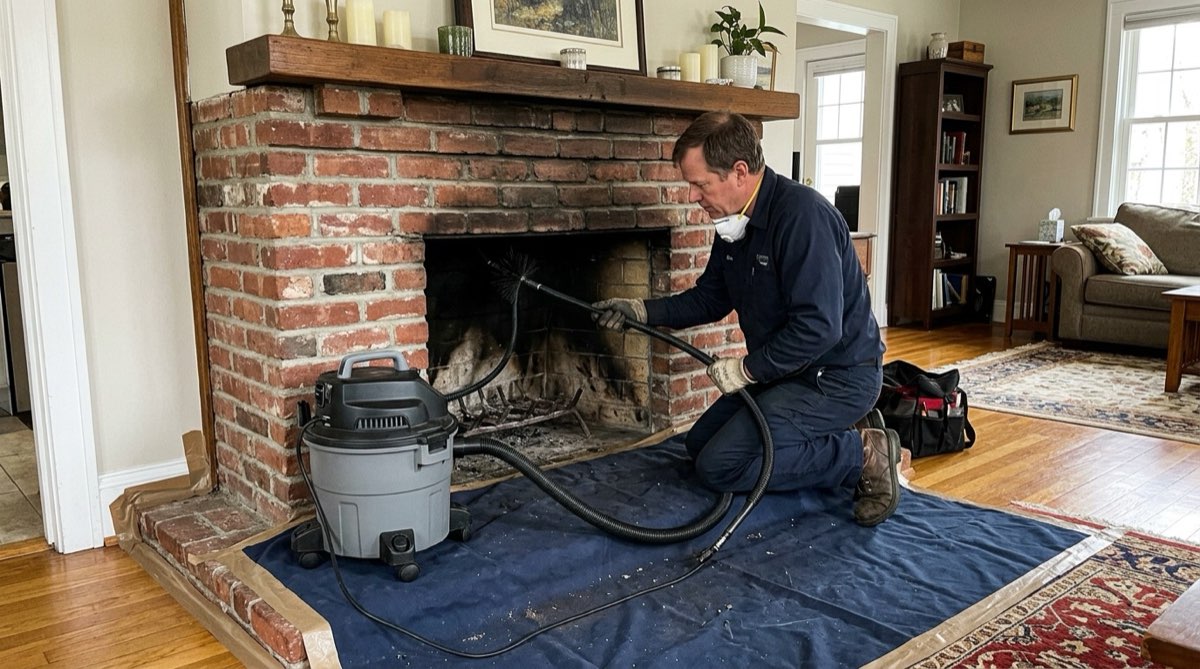
This service may be the right fit when one of these situations sounds familiar:
- the fireplace smells smoky
- the chimney has not been cleaned before heating season
- soot or creosote is visible
What matters for Tulsa properties
Tulsa flues sit through a humid summer collecting moisture and odor, then get lit hard the week the first November cold front lands. Cleaning before that first burn — not after something smells wrong — is the cheap version of this service. What moves the price is mostly labor: a wood stove that has to be pulled forward costs more than an open fireplace, and glazed creosote takes rotary tools instead of a brush.
What affects the estimate
- appliance type
- buildup level
- roof access
- flue condition
- cleanup needs
How the work usually goes
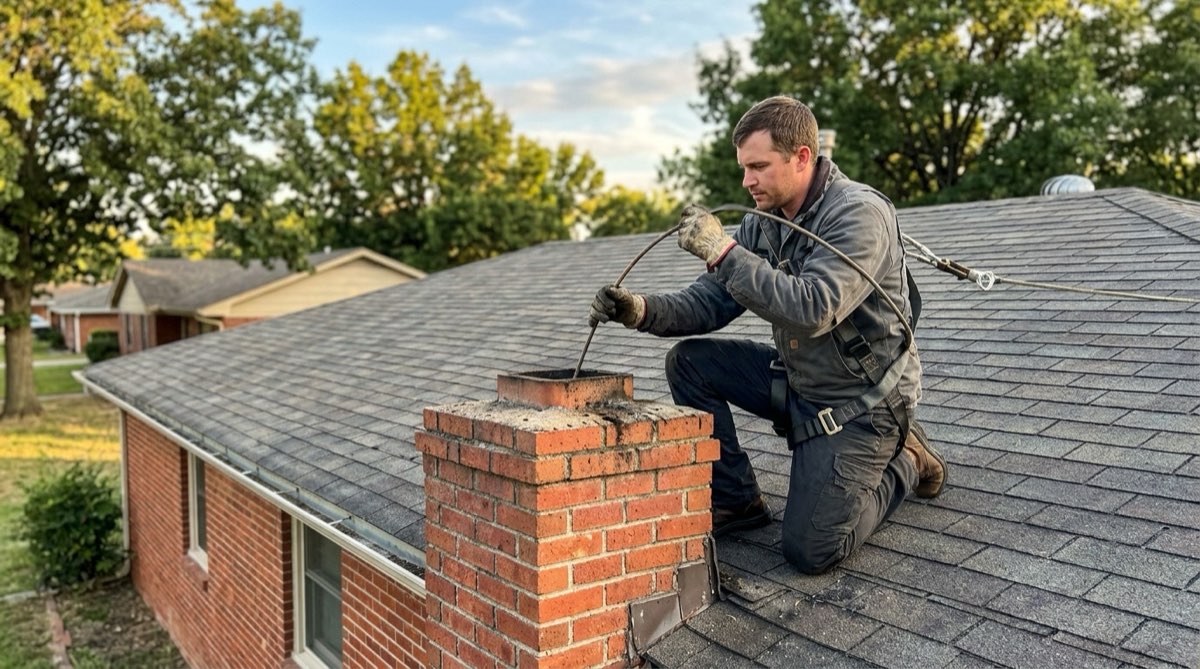
A cleaning visit runs in a predictable order:
- Appliance And Access Review: Review the fireplace, stove, dryer vent, last service date, smoke, odor, water, or creosote concern.
- Flue And Exterior Inspection: Check the flue, firebox, cap, crown, flashing, roof access, and exterior chimney conditions.
- Cleaning Or Repair Plan: Decide whether the visit is cleaning, inspection, draft troubleshooting, vent cleaning, or repair planning.
- Sweep Repair Or Vent Work: Complete the sweep, fireplace cleaning, stove work, cap, flashing, or dryer vent service that fits the issue.
- Draft Leak And Safety Review: Review draft, cleanup, visible concerns, safer-use notes, and what to watch before the next burn.