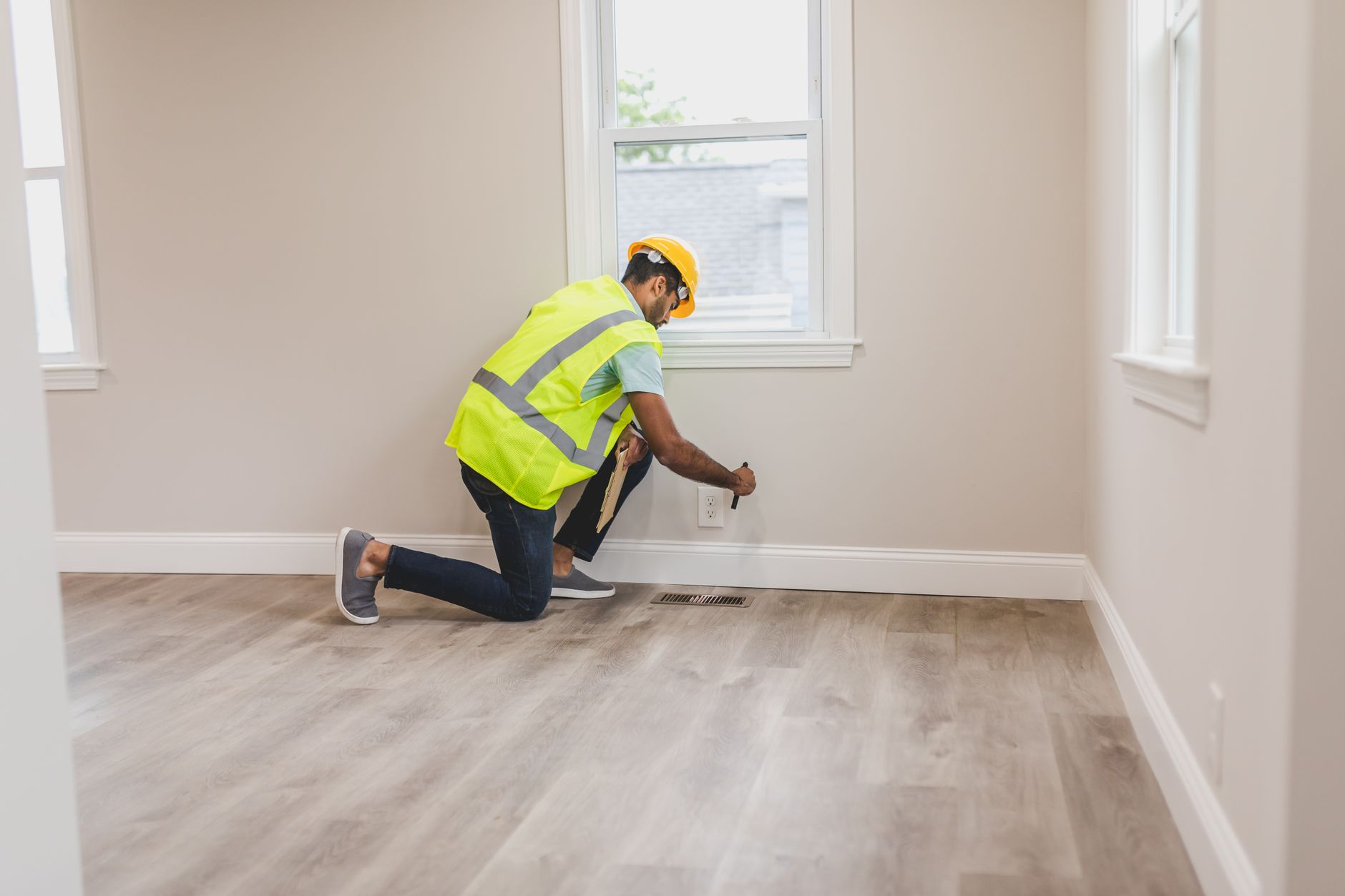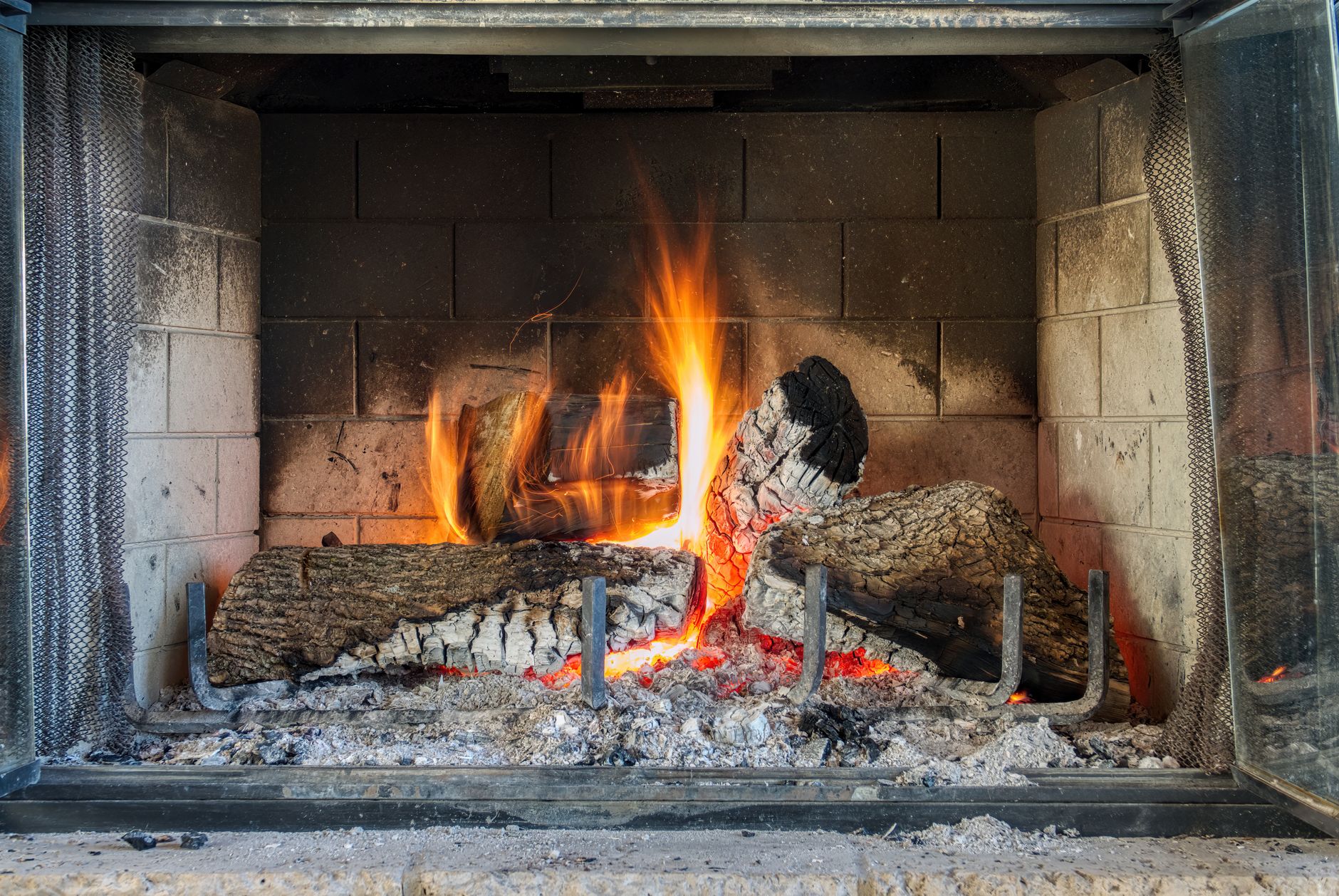
An inspection answers one question: is this chimney safe to use this winter? A Level 1 check covers the accessible parts during a normal visit; a Level 2 adds a camera run up the flue and is the right call after a chimney fire, before a home purchase, or when the fireplace history is unknown.
Reasons to schedule this service
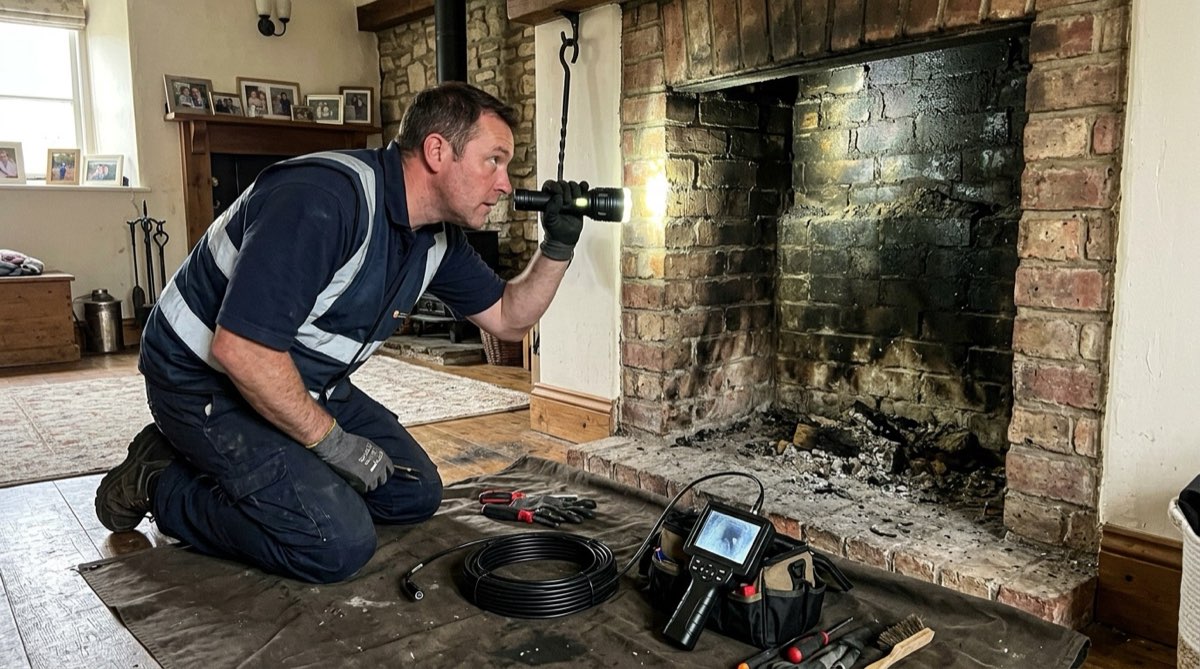
This service may be the right fit when one of these situations sounds familiar:
- the fireplace is new to the homeowner
- a home sale or remodel needs documentation
- water, odor, or draft problems need diagnosis
What matters for Tulsa properties
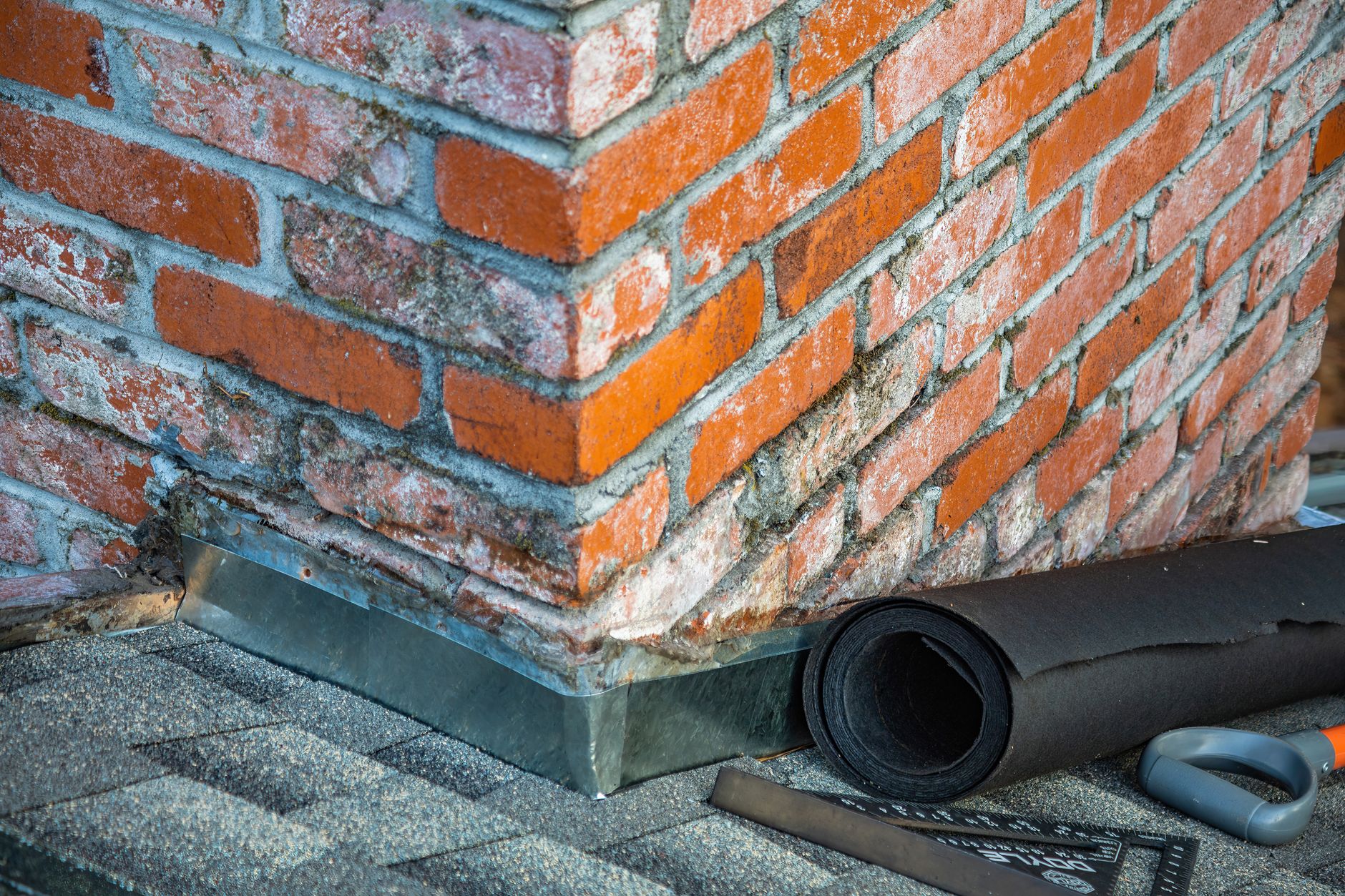
Water does more damage to Tulsa chimneys than fire does. Wind-driven spring rain and winter freeze-thaw work on the crown, flashing, and brick faces all year, and the flue tiles hide their cracks from ground level. The inspection exists to find that damage while it is still a small repair.
What affects the estimate
- inspection level
- camera access
- fireplace or stove type
- visible damage
- roof and attic access
How the work usually goes
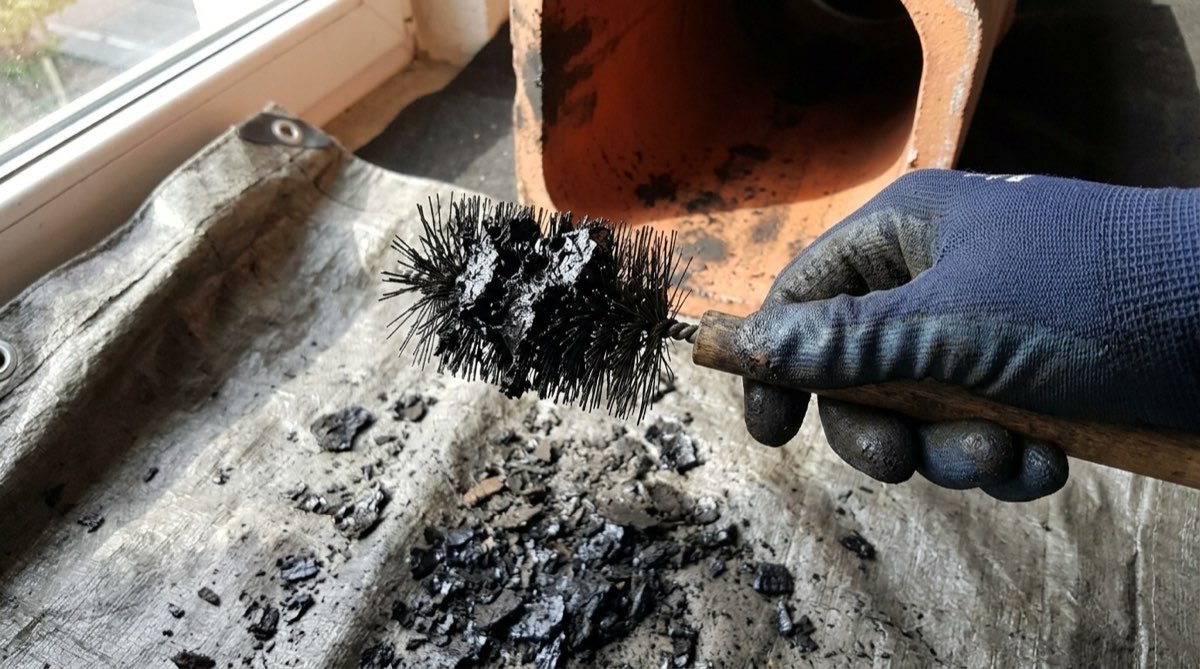
A thorough inspection works top to bottom:
- Appliance And Access Review: Review the fireplace, stove, dryer vent, last service date, smoke, odor, water, or creosote concern.
- Flue And Exterior Inspection: Check the flue, firebox, cap, crown, flashing, roof access, and exterior chimney conditions.
- Cleaning Or Repair Plan: Decide whether the visit is cleaning, inspection, draft troubleshooting, vent cleaning, or repair planning.
- Sweep Repair Or Vent Work: Complete the sweep, fireplace cleaning, stove work, cap, flashing, or dryer vent service that fits the issue.
- Draft Leak And Safety Review: Review draft, cleanup, visible concerns, safer-use notes, and what to watch before the next burn.