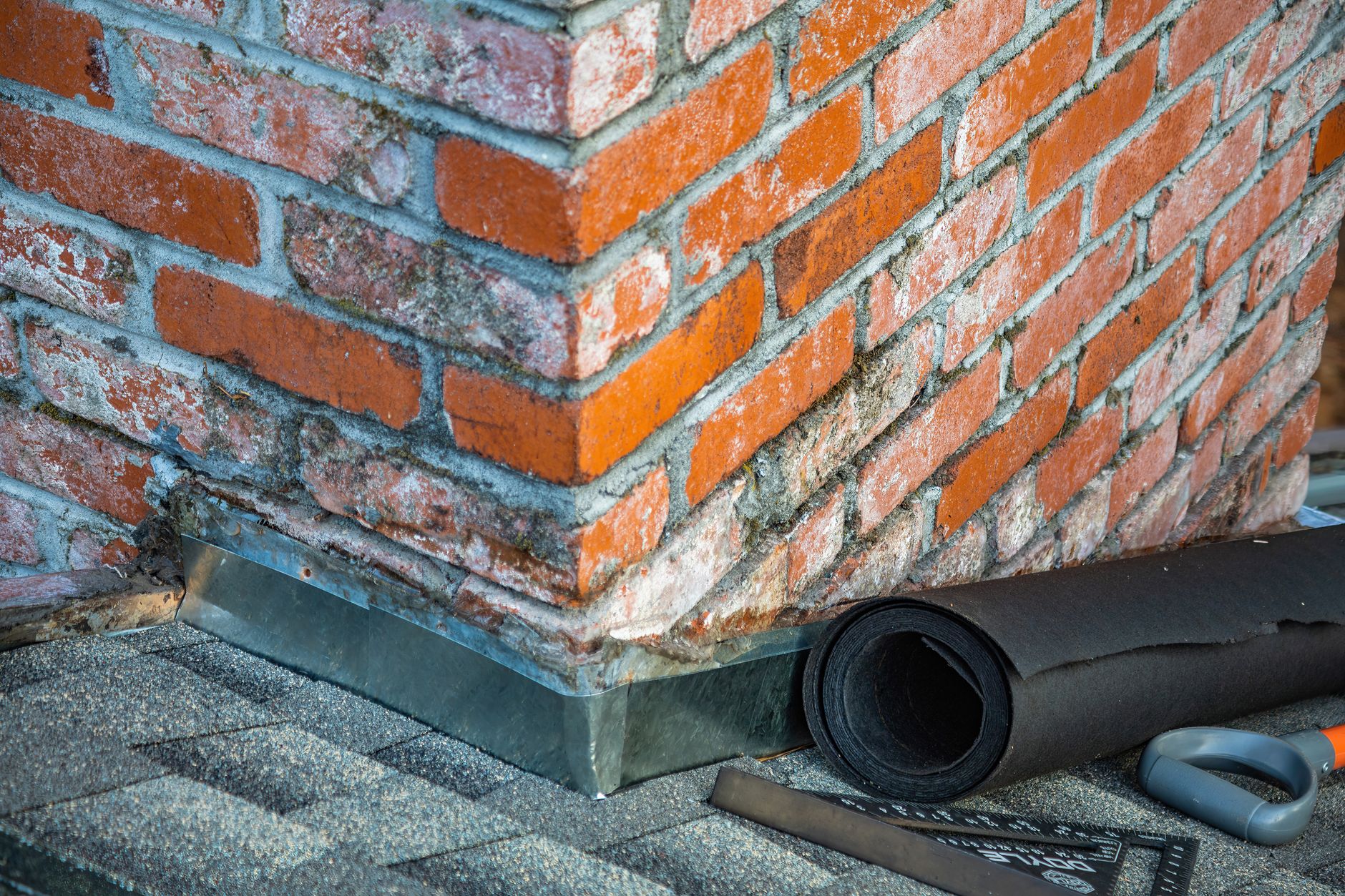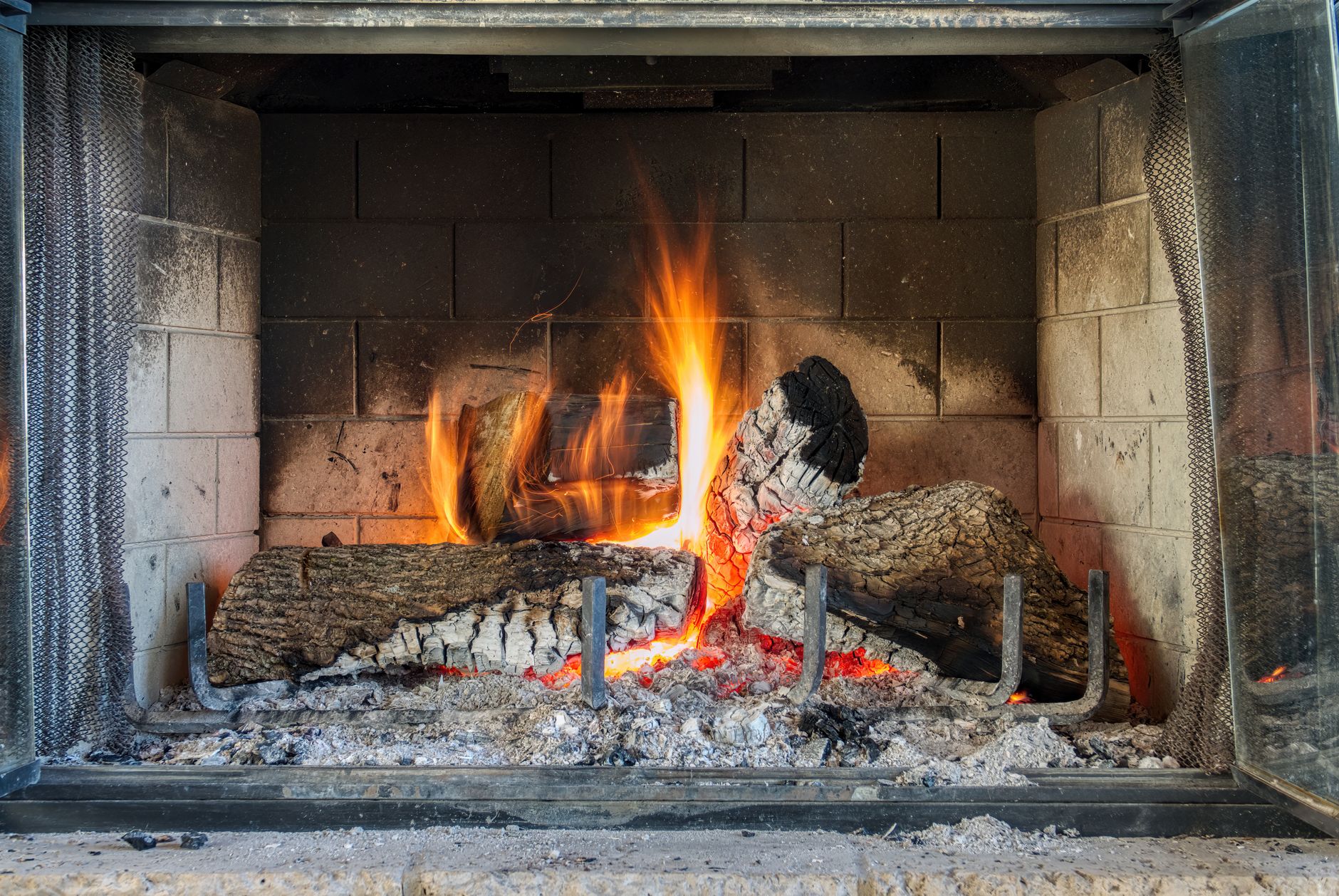
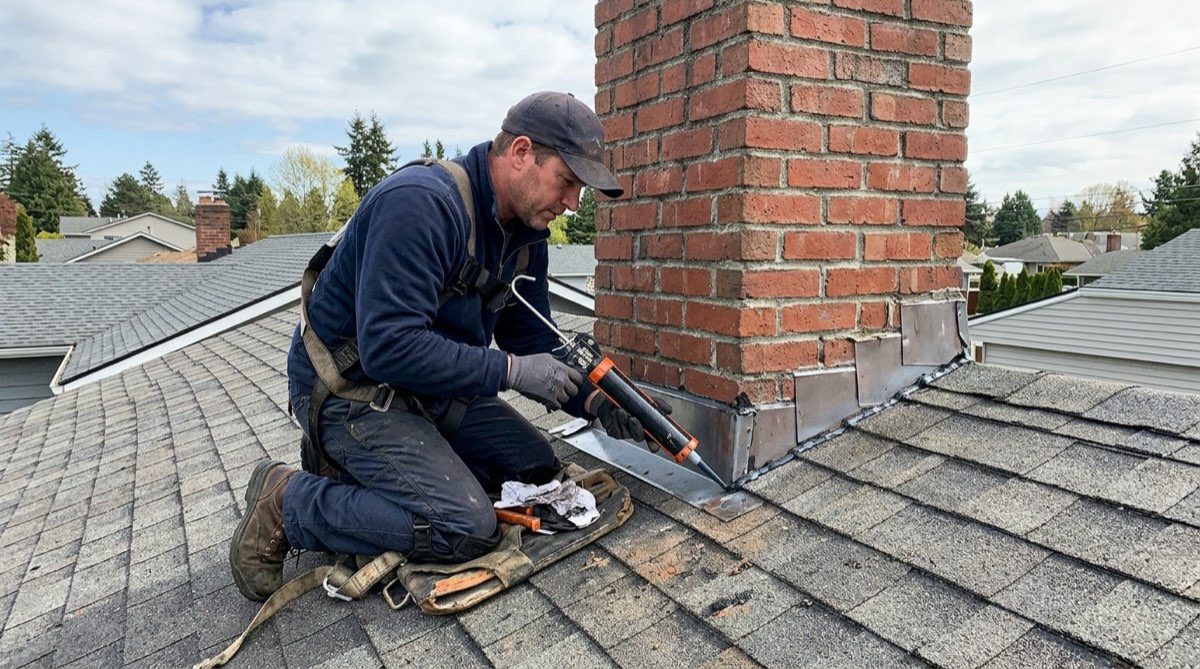
When a ceiling stain shows up near the chimney, flashing is the usual suspect — the metal joint where brick meets shingles fails long before either the roof or the chimney does. Diagnosis matters here, because crown cracks, spalled brick, and a missing cap all leak in ways that look identical from the living room.
Reasons to schedule this service
This service may be the right fit when one of these situations sounds familiar:
- water stains appear near the chimney
- leaks follow wind-driven rain
- flashing or counterflashing looks loose
What matters for Tulsa properties
Tulsa's wind-driven rain finds every weak joint, and freeze-thaw widens whatever it finds. A proper diagnosis visit checks the flashing, crown, cap, and brick faces before anyone quotes a repair, so you fix the actual entry point instead of the most visible one.
What affects the estimate
- roof material
- flashing condition
- masonry absorption
- attic access
- storm exposure
How the work usually goes
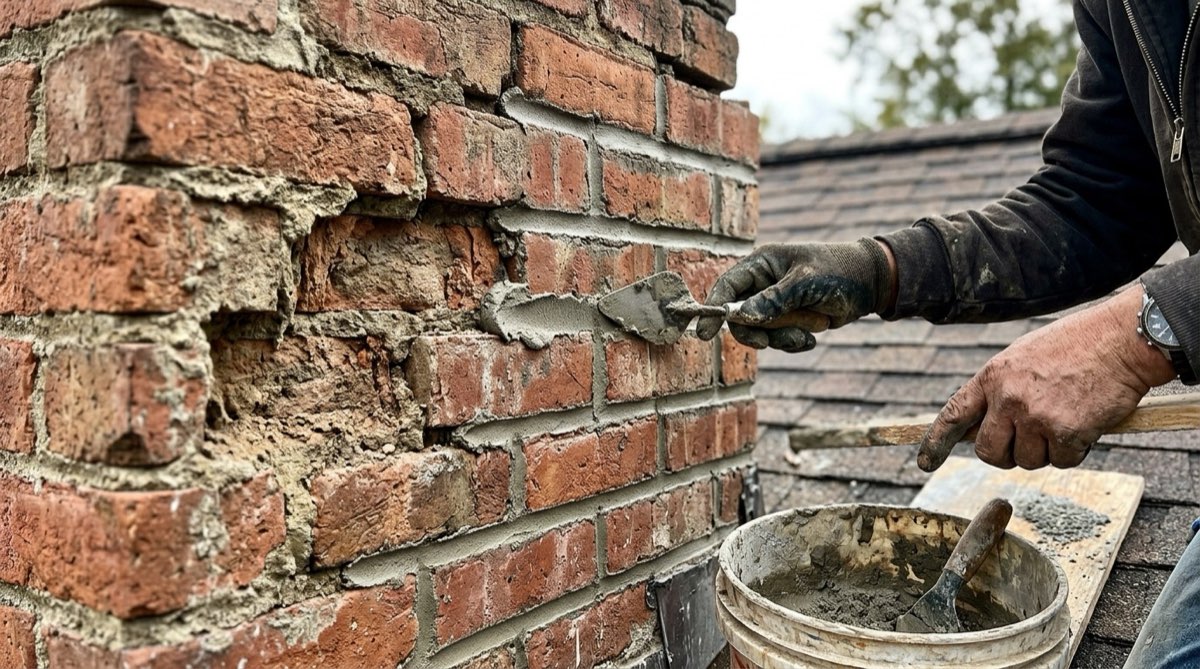
Finding the leak works from the evidence down:
- Appliance And Access Review: Review the fireplace, stove, dryer vent, last service date, smoke, odor, water, or creosote concern.
- Flue And Exterior Inspection: Check the flue, firebox, cap, crown, flashing, roof access, and exterior chimney conditions.
- Cleaning Or Repair Plan: Decide whether the visit is cleaning, inspection, draft troubleshooting, vent cleaning, or repair planning.
- Sweep Repair Or Vent Work: Complete the sweep, fireplace cleaning, stove work, cap, flashing, or dryer vent service that fits the issue.
- Draft Leak And Safety Review: Review draft, cleanup, visible concerns, safer-use notes, and what to watch before the next burn.