A cap is the cheapest protection a chimney can get: it keeps rain from falling straight down the flue, screens out birds and raccoons, and stops embers from lofting onto the roof. If your flue is open to the sky — and a surprising number are — this is the first thing to fix.
Reasons to schedule this service
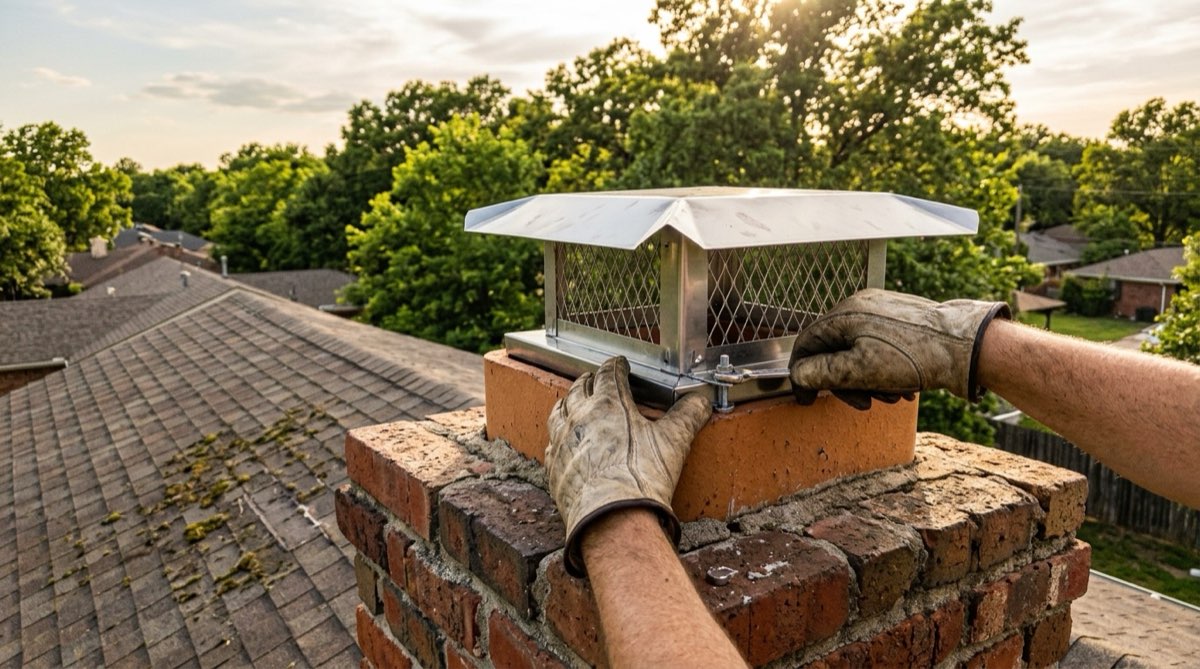
This service may be the right fit when one of these situations sounds familiar:
- rain enters the flue
- animals or debris get into the chimney
- the cap is missing or rusted
What matters for Tulsa properties
Uncapped Tulsa flues collect chimney swift nests every spring and take on water in every storm, and that water is what rusts dampers and rots smoke shelves. Spring hail and wind also take out existing caps regularly, so a quick look after storm season is worth the two minutes with binoculars.
What affects the estimate
- flue size
- crown shape
- stainless or galvanized material
- wind exposure
- roof access
How the work usually goes
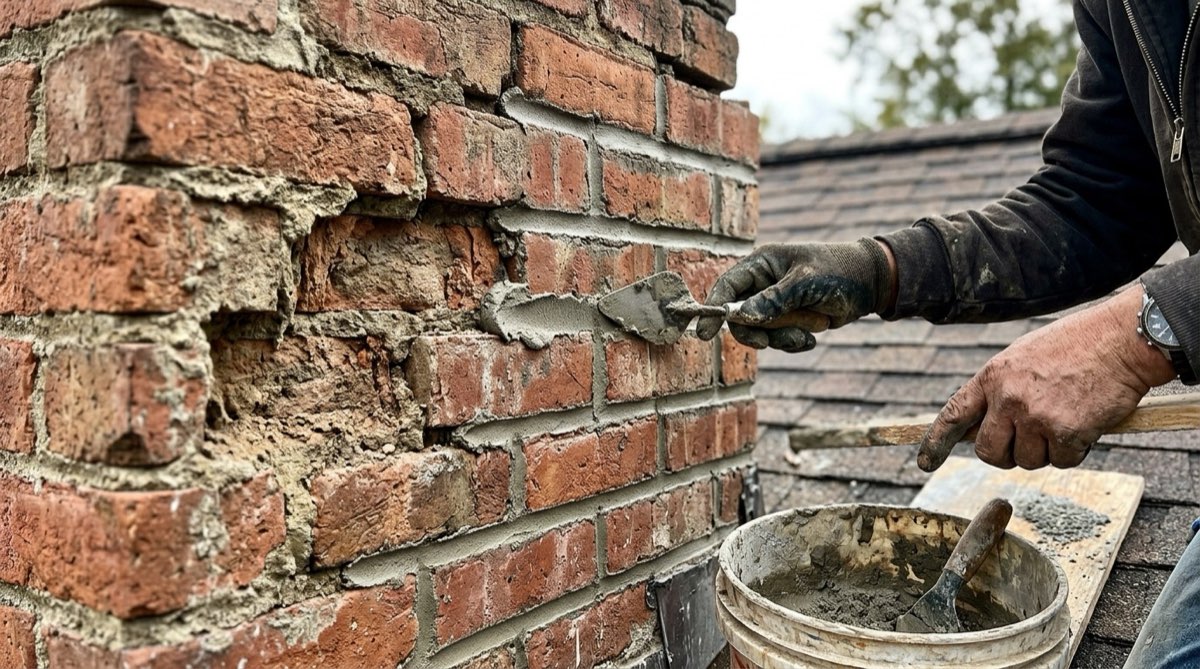
Cap work is quick but should be done right:
- Appliance And Access Review: Review the fireplace, stove, dryer vent, last service date, smoke, odor, water, or creosote concern.
- Flue And Exterior Inspection: Check the flue, firebox, cap, crown, flashing, roof access, and exterior chimney conditions.
- Cleaning Or Repair Plan: Decide whether the visit is cleaning, inspection, draft troubleshooting, vent cleaning, or repair planning.
- Sweep Repair Or Vent Work: Complete the sweep, fireplace cleaning, stove work, cap, flashing, or dryer vent service that fits the issue.
- Draft Leak And Safety Review: Review draft, cleanup, visible concerns, safer-use notes, and what to watch before the next burn.