The first hard cold front of Tulsa's winter creates a very predictable rush: everyone lights the first fire of the year the same week, and everyone with a problem finds out the same week. This checklist is about getting ahead of that.
Cleaning and inspection
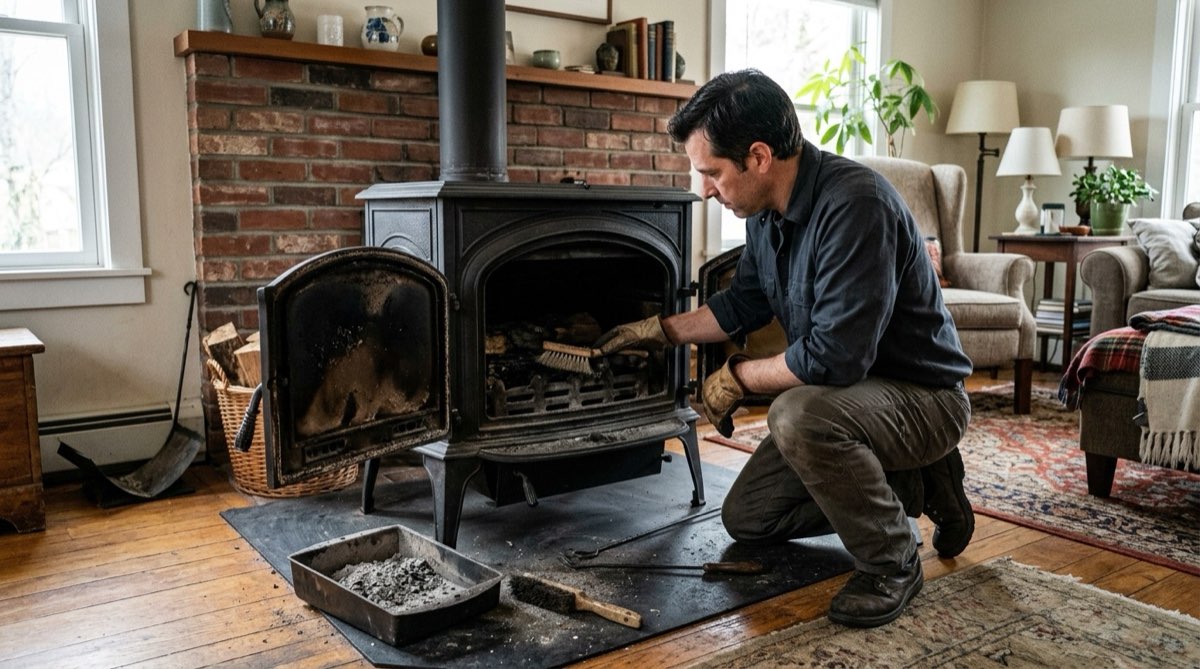
Book the sweep and annual inspection before you burn, not after — early fall if you can. October and November are the crunch months for every sweep in the area, and lead times stretch just when you want the fireplace working.
The flue has sat all summer collecting humidity, and possibly rain and nesting debris. A pre-season sweep means the first burn goes up a clean, clear flue with a working damper.
Cap crown and flashing
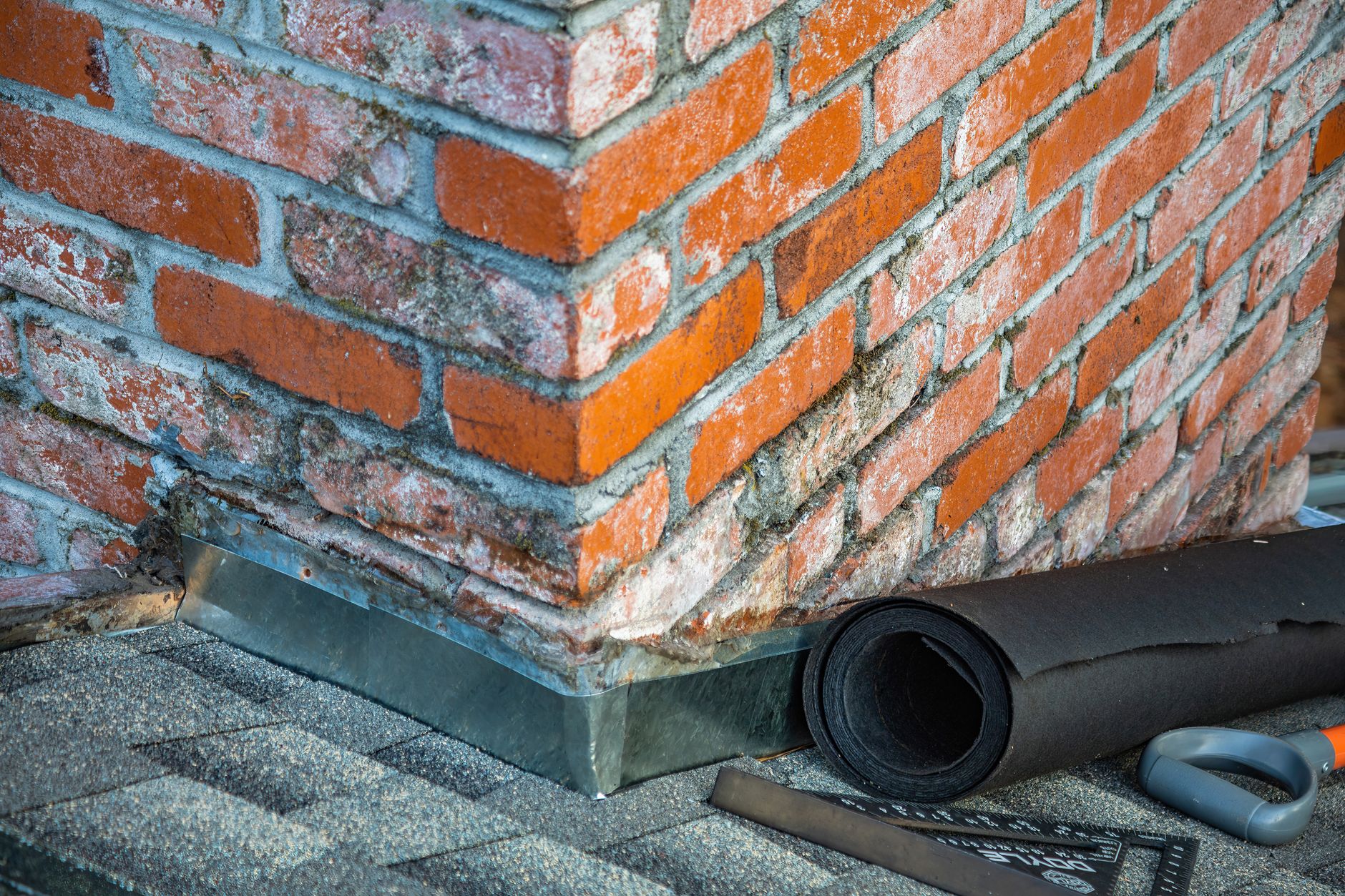
Tulsa's spring and summer storms are hard on the top of a chimney — hail dents caps, wind loosens flashing, and driven rain finds crown cracks. Fall is when to look, because winter freeze-thaw turns small water entry into spalled brick.
From the ground with binoculars you can check: is the cap present and straight, is the crown visibly cracked, are there white staining or missing brick faces. Anything you spot goes on the sweep's list for the same visit.
Wood stove and dryer vent reminders
Wood stove owners: check the door gasket (a dollar bill closed in the door should pull out with resistance), confirm the wood is genuinely seasoned — cut last year, not last month — and store it off the ground and covered.
While the ladder is out, have the dryer vent cleaned too. Lint buildup is its own fire risk, dryers work hardest in winter, and most chimney companies handle both in one trip.
The first-fire test run
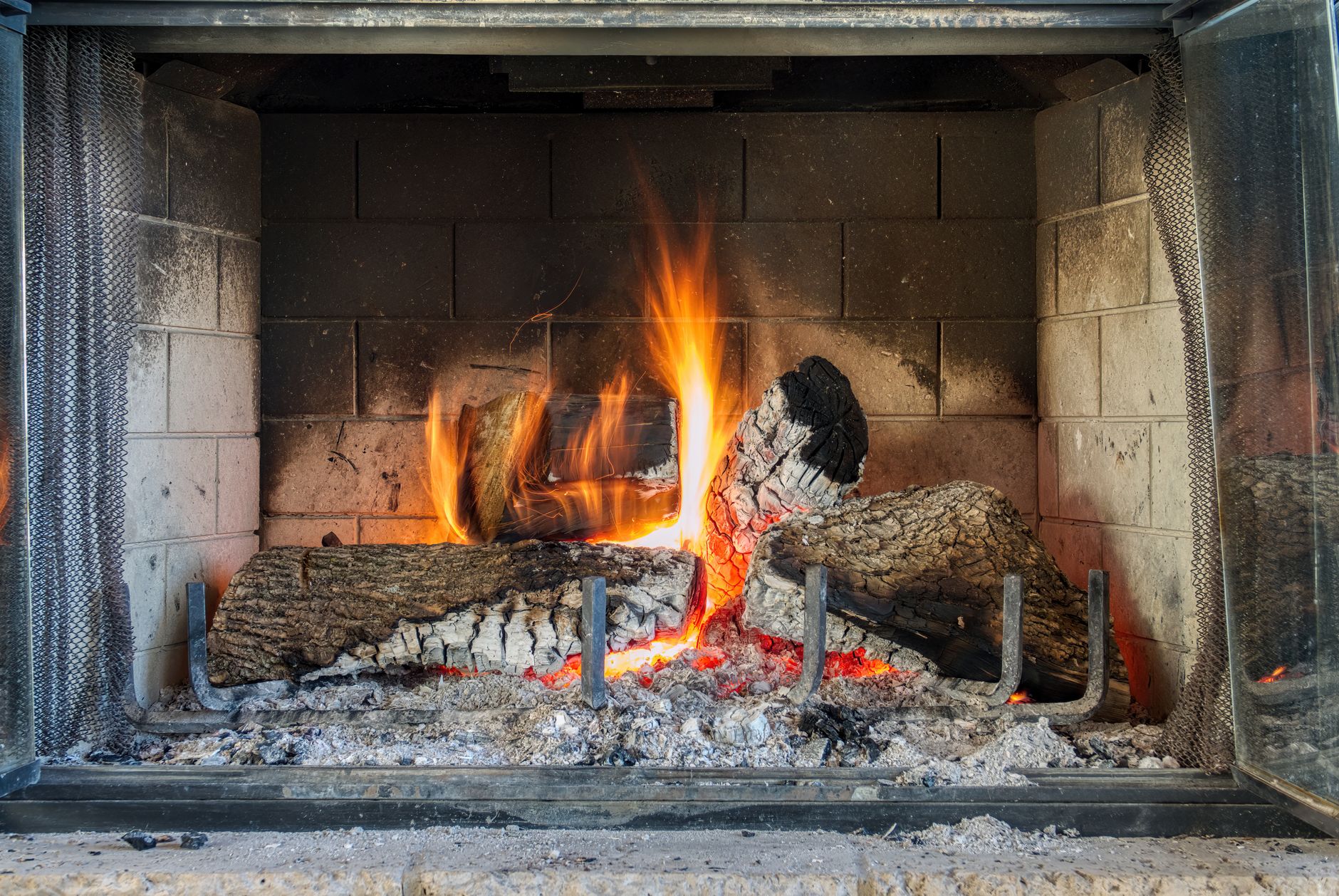
Do the first burn of the season on a mild afternoon, not the freezing night you actually need it. Light a small, hot fire with dry kindling and watch: smoke should rise steadily, not drift into the room, and the smell should fade within minutes as the flue warms.
Walk outside while it burns. Smoke should leave the cap in a clean stream — heavy dark smoke means wet wood, and smoke leaking from anywhere other than the cap means stop and call.
If anything about the test run feels off, you have found out in October, with weeks to fix it before the fireplace becomes the room everyone gathers in.