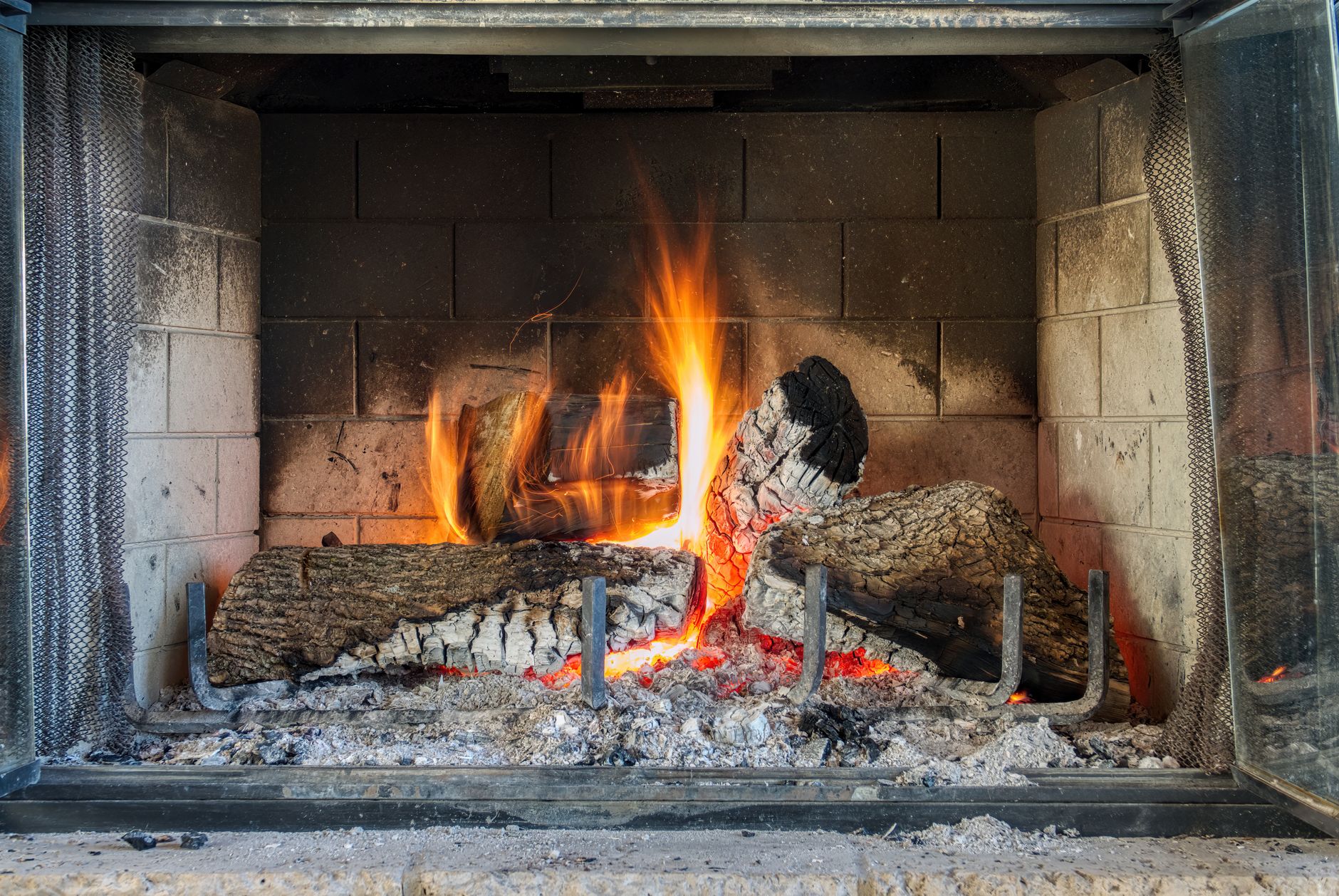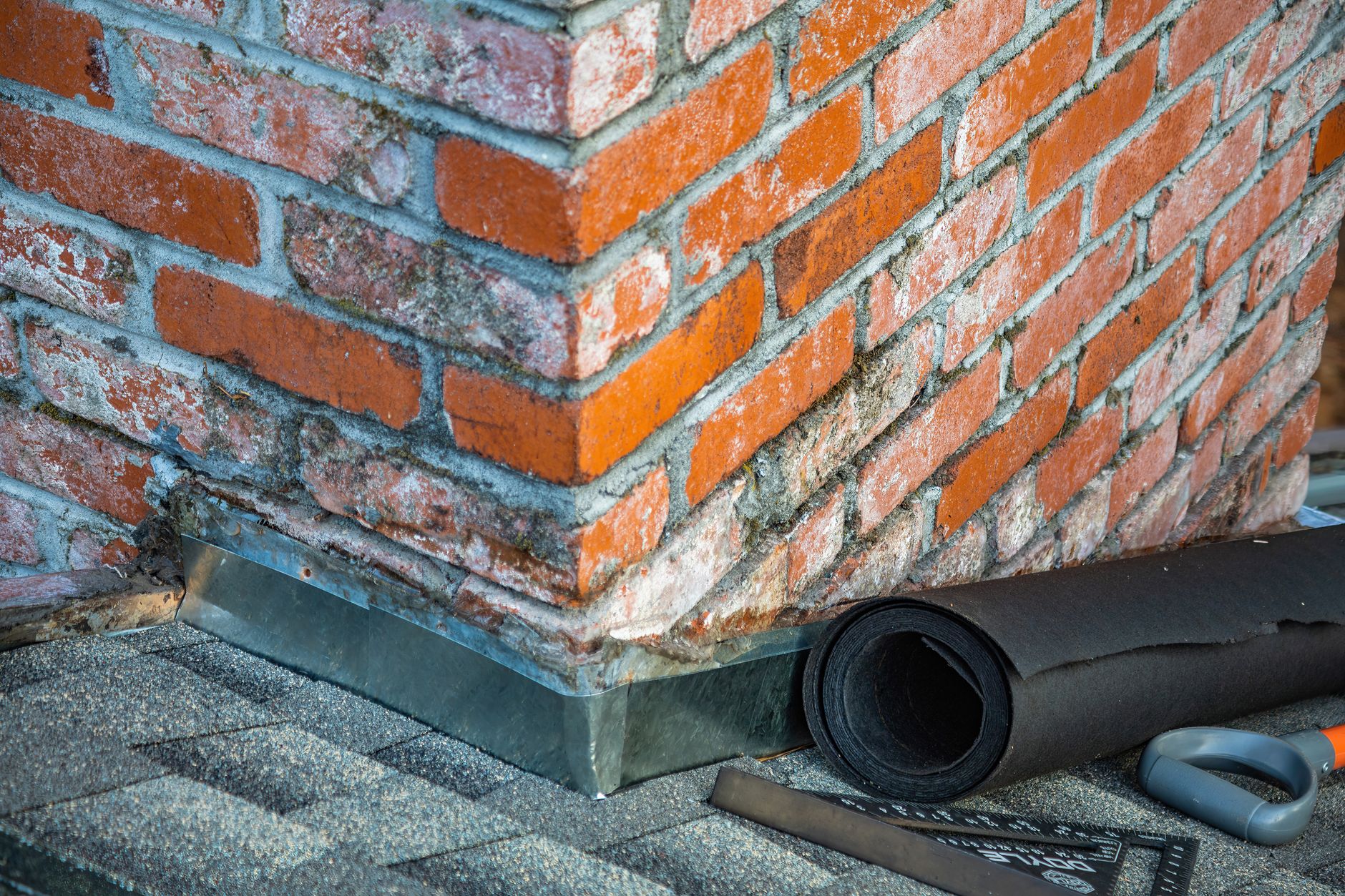
The standard answer comes from NFPA 211 and it is simpler than most articles make it: every chimney gets inspected once a year, and gets cleaned whenever the inspection finds measurable buildup or debris. How fast you reach that point depends on how much you burn and how you burn it.
Occasional fireplace use
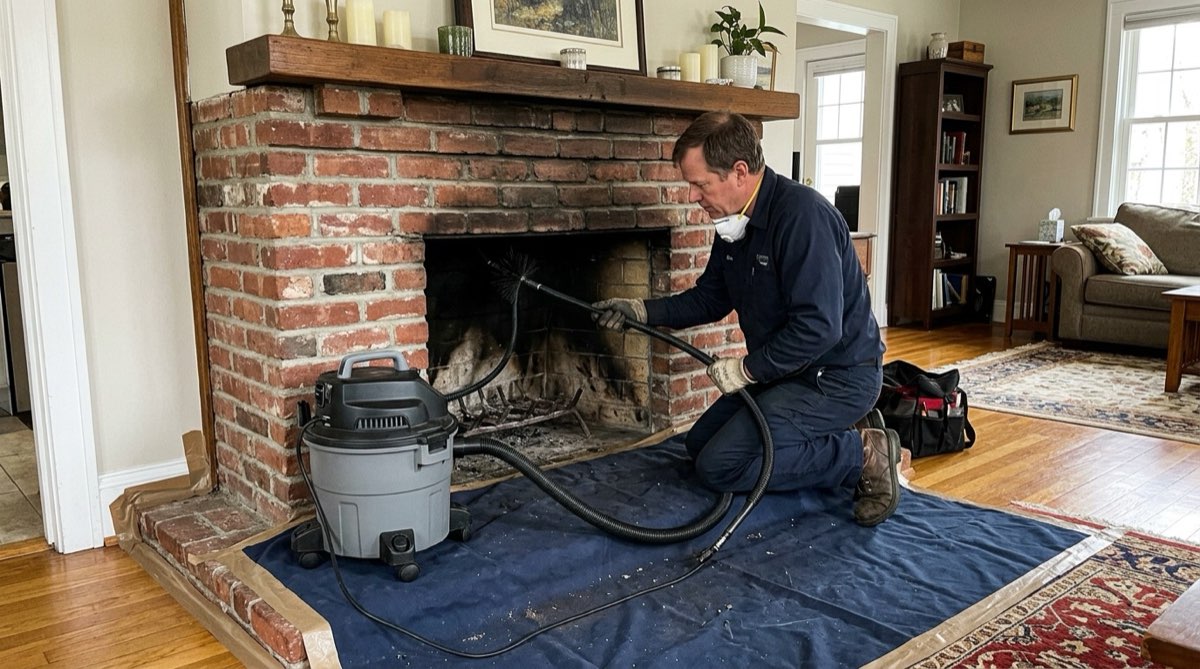
A dozen fires a winter usually does not produce much creosote — but the annual inspection still earns its keep, because rain, storm damage, and animals do not care how often you burn. In Tulsa an uncapped flue can pick up a chimney swift nest in one spring.
Burning scrap lumber, wrapping paper, or damp wood can produce more buildup in a dozen fires than a full season of dry oak, so what you burned matters as much as how often.
Daily wood stove use
A stove run daily through an Oklahoma winter can burn a cord or more of wood, and stoves run choked-down overnight are creosote machines. Heavy users often need a mid-season cleaning, not just an annual one.
The stove's own signals tell you: glass that blackens fast, a lazy draft, and smoke smell in the room all mean the flue is narrowing. Checking the stovepipe connector monthly during heavy use takes five minutes and catches most problems early.
Warning signs between cleanings
Between scheduled visits, act on symptoms rather than the calendar: tar smell on humid days, soot or black flakes falling into the firebox, fires that are suddenly hard to start, or smoke spilling into the room.
Any of those is a reason to inspect now instead of waiting for fall. A cleaning that happens a few months early costs the same; a flue fire does not.
A simple calendar that works in Tulsa
Book the inspection in late summer, before the fall rush. If it finds buildup, the cleaning happens in the same visit and you are done for the year.
Heavy stove users: glance up the connector pipe with a flashlight on the first of each month during burning season. It takes two minutes and tells you whether a mid-season cleaning is coming.
Tie it to something you already do — many people here schedule the chimney the same week the HVAC company does the fall furnace check, since both are about being ready for the first cold front.