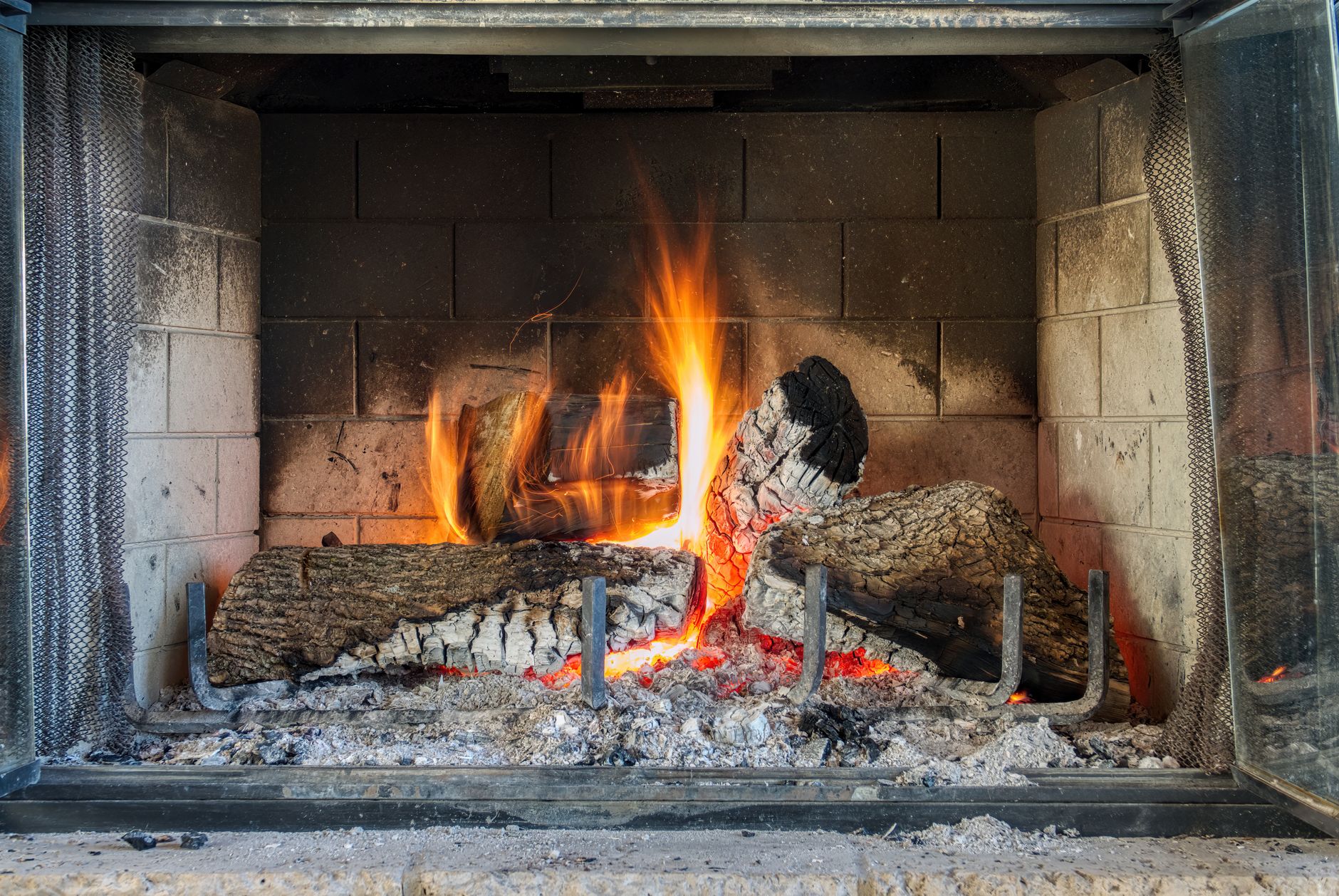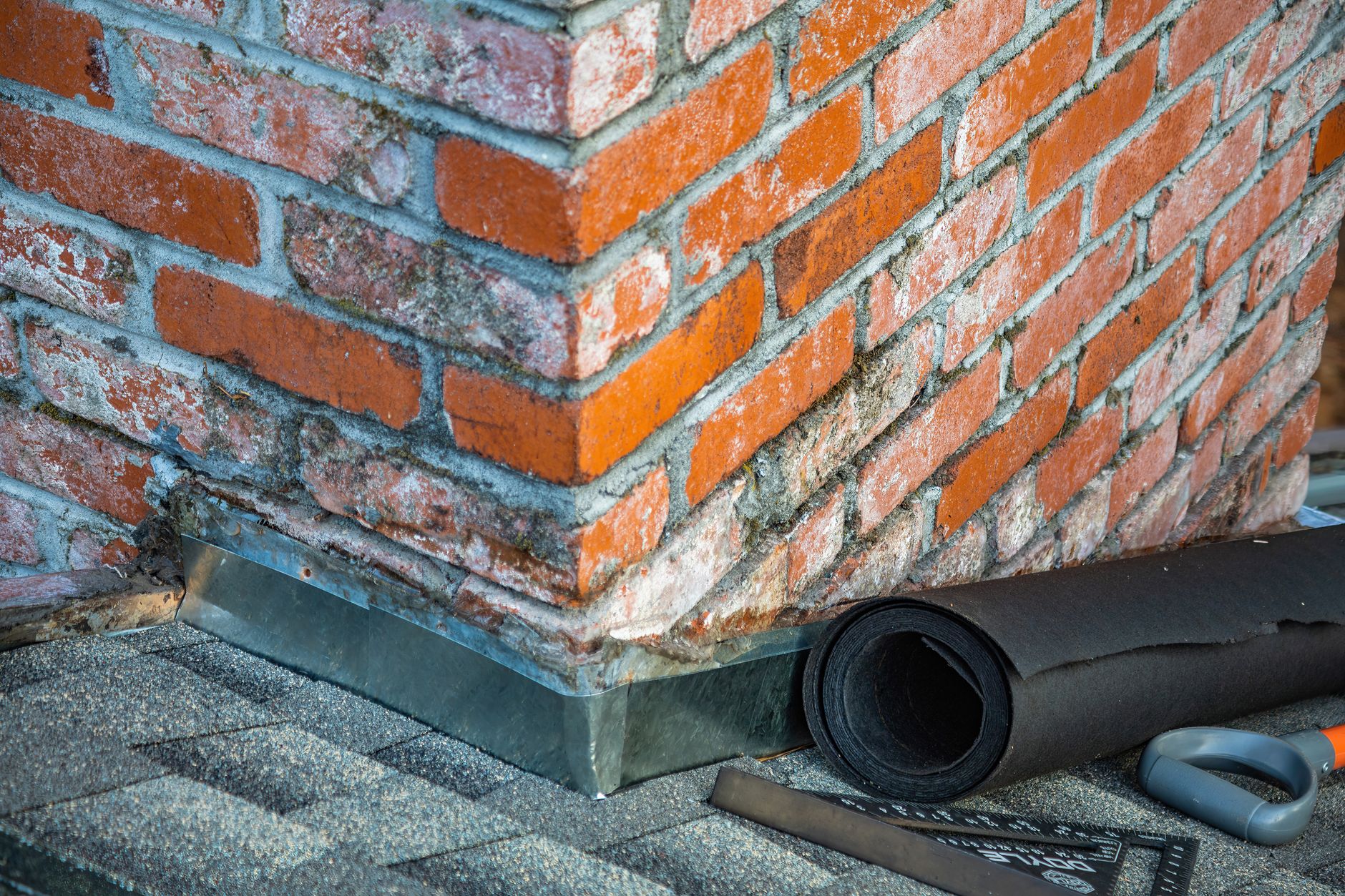
All wood-burning chimneys build creosote; the question is what stage it has reached. Stage one brushes out easily. Stage two is crunchy, flaky honeycomb. Stage three is a shiny hardened glaze that is both the hardest to remove and the most flammable. Here is how to tell what you have.
Visible residue and odor
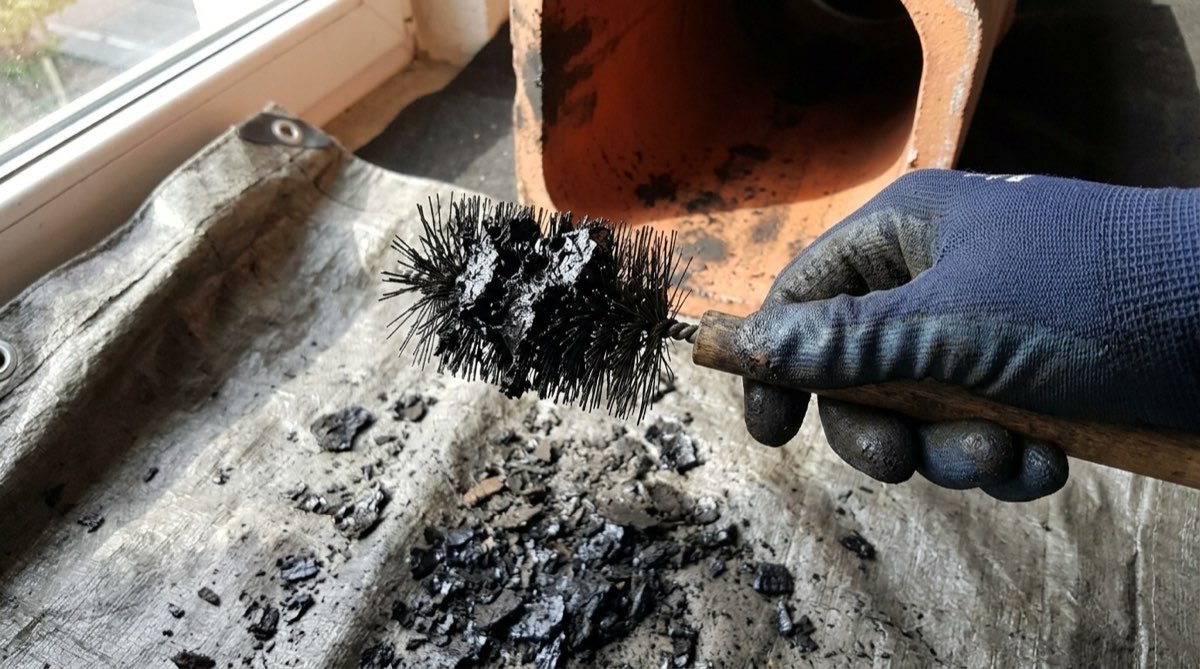
With the fireplace cold, open the damper and run a flashlight up past it. Matte gray-black dust is stage one. Flaky, puffy deposits you could snap off are stage two. A wet-looking or glassy black coating is stage three, and it means both a serious cleaning and a change in how the wood is being burned.
Black flakes dropping into the firebox, soot raining down when the damper opens, or a tar smell on humid days all point to buildup thick enough to deal with now.
A common rule of thumb in the trade: an eighth of an inch of buildup is enough to clean. You do not need to measure it — if you can see texture rather than a thin film, it is time.
Draft changes and smoke
Creosote narrows the flue, and a narrower flue drafts worse. Fires that used to start easily now smolder, smoke curls out from under the lintel, and the glass on a stove blackens within a burn or two.
A draft that got worse over one season is a red flag worth acting on, because heavy buildup accelerates — rough deposits catch more smoke, which builds more deposits.
Inspection and cleaning questions
When you book the sweep, describe what you saw — stage matters for how they quote it. Glaze work takes different tools and more time than brushing.
Ask for before-and-after photos up the flue. Any sweep doing real work can produce them in two minutes, and it is the simplest honesty test in this trade.
What the sweep will do about each stage
Stage one comes out with rods and a poly or wire brush matched to the flue, the fireplace draped and a HEPA vacuum running the whole time. It is quick, and it is the visit you want every year.
Stage two takes heavier brushing and more passes, sometimes with the smoke chamber scraped by hand. Stage three glaze needs rotary chains or whips, or a chemical treatment applied over several burns that breaks the glaze so it can finally be brushed out.
Whatever the stage, the visit should end with the sweep telling you why it built up that fast — wood, burn habits, or a flue problem — so next year's visit is boring.